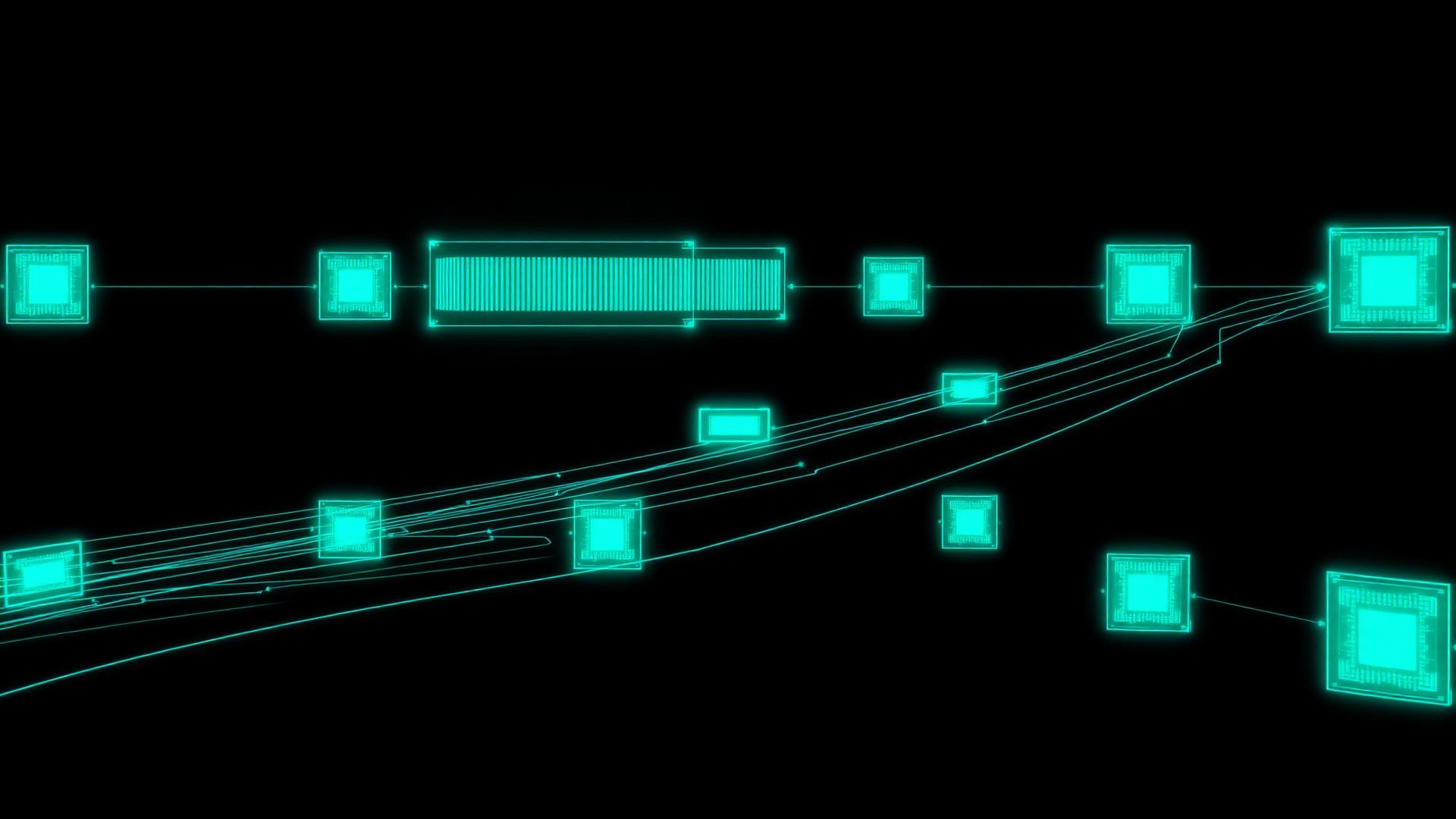
Pass context like a cascade, not a flood.
ContextMorphing is the automated, cascading inheritance of context and memory between specialized AI agents in real time. Only the exact relevant sub-context is handed to the next agent — never the entire conversation history.
Context windows are the wall. Token costs are the tax.
Most multi-agent systems today treat every handoff like a full replay. Each specialized agent receives the entire conversation history, all previous reasoning, and every intermediate artifact. The result is predictable:
- Long prompts eat up the context window before any real work begins.
- Every extra token is billed, so costs explode as the workflow grows.
- Latency compounds because each agent re-reads, re-summarizes, and re-decides.
- Signal gets lost in noise; the agent misses the one detail it actually needs.
Inherit only what matters. Cascade the rest.
ContextCascade rethinks the handoff. Instead of dumping the full transcript on the next agent, the system extracts the minimal, semantically relevant context and passes it down the chain like a focused briefing.
Context-aware routing
A dispatcher understands which downstream agent needs which facts, intent, and memory slots.
Partial inheritance
Each agent receives only the sub-context relevant to its specialty. The rest is hidden or summarized.
Cascading memory
New outputs are folded back into the shared state as compact, structured memory, not raw logs.
What is ContextMorphing?
“ContextMorphing is the automated, cascading transfer of context and memory between different AI agents in real time. Instead of re-reading the entire history for every subtask, only the exactly relevant partial context is inherited step by step — cascaded — to the next specialized agent.”
How it differs from today
Current agent networks usually send the full prompt history to every participant. ContextMorphing treats the conversation as a structured, layered state machine. Each transition computes the delta of relevant knowledge and forwards it, not the whole graph.
Why "cascading"?
Like a waterfall, information flows downward in stages. At each stage the stream is shaped, filtered, and enriched. The downstream agent never sees the reservoir; it only receives the current, purpose-built channel of water.
Core mechanics
Intent capture
The first agent extracts goals, constraints, and tone.
Relevance scoring
Each fact is scored against the next agent's needs.
Context projection
A compact view is generated for the target agent.
Memory compaction
Outputs are summarized and stored as structured memory.
What ContextCascade changes
Agents only receive the context they need, not the entire history.
Shorter prompts mean faster first-token time and fewer round trips.
Relevance scoring keeps the signal that matters for the task.
Costs grow with the number of decisions, not the conversation length.
A simple mental model
Think of ContextCascade as a pipeline of filters, not a bucket brigade.
User input
Goal + constraints
Orchestrator
Routes & splits intent
Agent A
Receives focused slice
Context reducer
Compresses output
Agent B
Receives next slice
Security and isolation by default
Because each agent only receives its projected sub-context, sensitive data can be redacted at the boundary. Agents do not need access to the full conversation graph, which makes audit, compliance, and least-privilege access easier to enforce.